Temperature-dependent loss of speed can arise from internal leakage, supply limitations or control behavior. The symptom is useful because it narrows the operating conditions, but it does not identify one failed component by itself.
Compare equivalent cycles
Measure travel time, load, pump speed and fluid temperature for the same motion cold and warm. Record pressure at defined points. Comparing a loaded warm cycle with an unloaded cold cycle can lead to a misleading conclusion.
Check delivered flow and bypass paths
As viscosity changes, leakage and pressure-drop behavior change too. Investigate the pump, valve paths and actuator using the machine's approved diagnostic process. A relief or unloading path remaining open can also reduce usable flow.
Review control and fluid history
Look for changes in oil grade, cycle rate, valve replacement or electronic settings. Do not raise pressure as a general remedy for lost flow. After repair, repeat the temperature-controlled comparison and retain the results as a baseline for later service.
Practical checklist
- Compare identical loads and commands at recorded temperatures.
- Check actual delivered flow and unintended bypass routes.
- Review recent fluid, component and control changes.
Discuss your application
Explore related hydraulic products, or send JIUDING your model code and application details. Include the circuit drawing and the operating conditions relevant to the checks above so the required configuration can be reviewed.
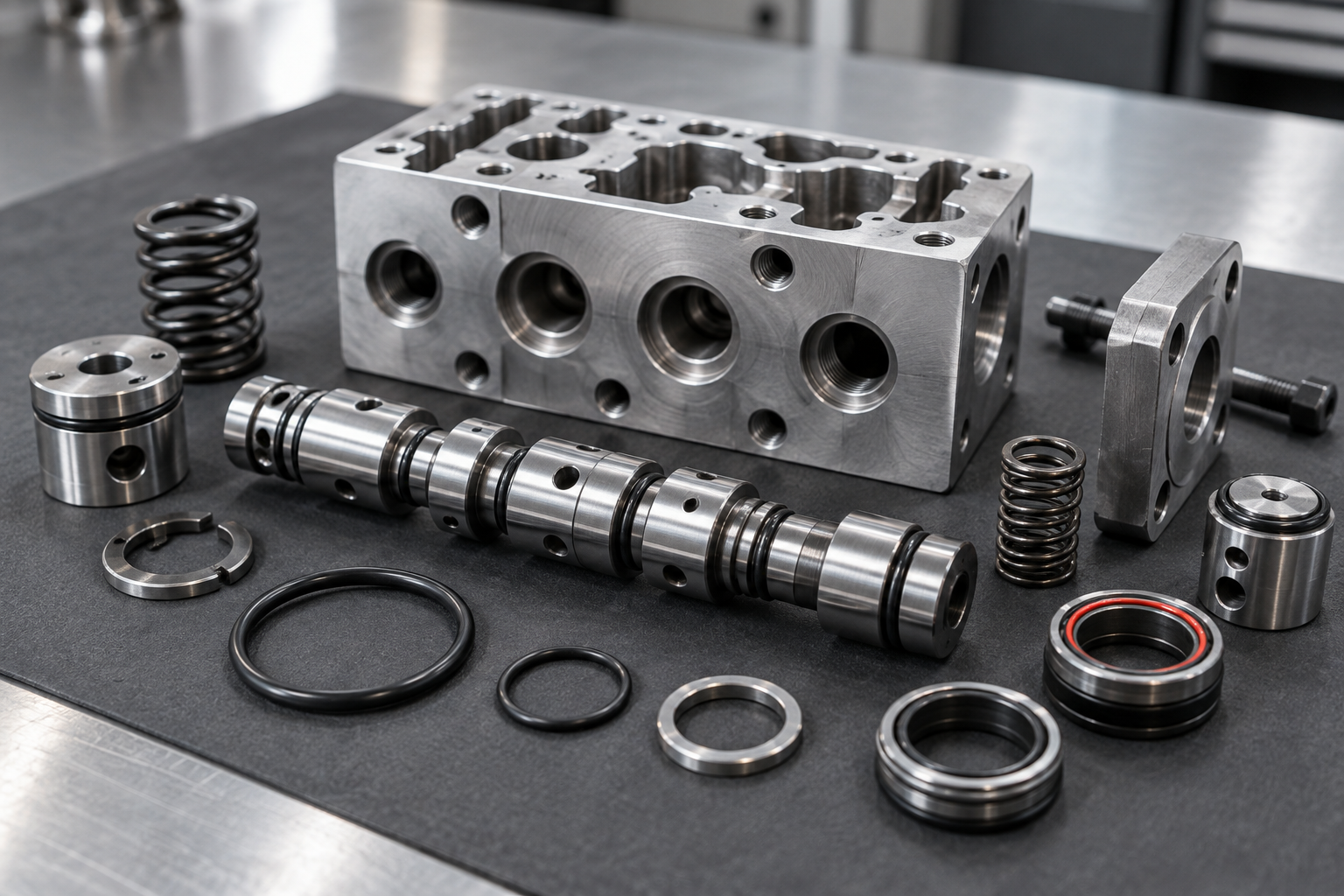
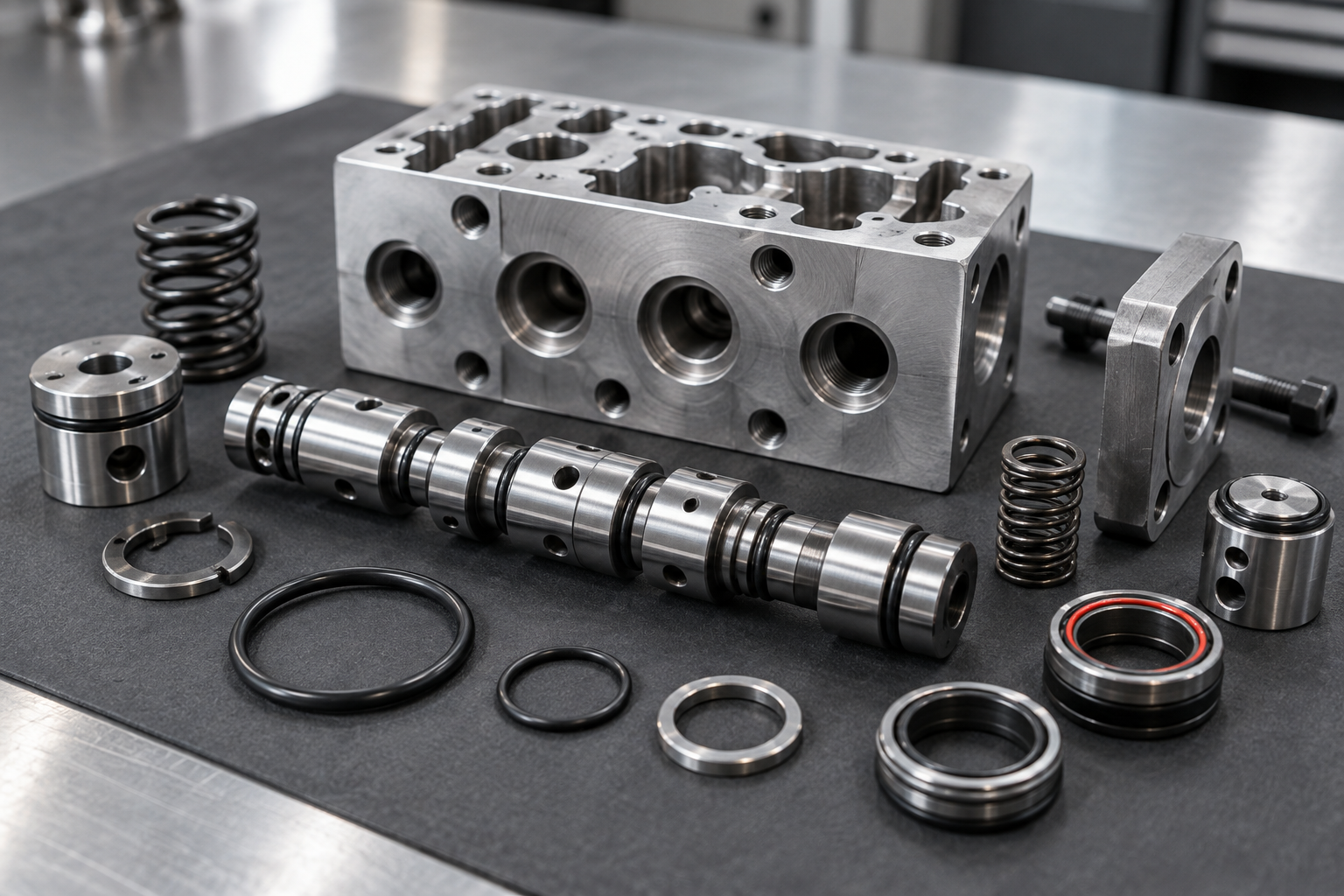
Cover image: AI-generated editorial illustration, not a model-specific product drawing or a photograph of a JIUDING facility.