A small visible leak can indicate a damaged seal, fitting problem, surface defect or excessive pressure. The first priority is safe isolation; a pressurized leak must never be searched for with a hand.
Make the area safe
Follow the machine's shutdown and stored-energy release procedure, including accumulators and trapped volumes. Support loads mechanically where required. Suspected fluid-injection injury requires immediate emergency medical attention even when the skin wound appears small.
Identify the leak location precisely
After safe isolation and cleaning, document whether fluid came from a port connection, mounting face, body joint or shaft seal. Use photographs and part identification. Oil spreading across a surface can make the apparent wettest point different from the actual source.
Correct the cause, not only the seal
Check the approved seal specification, mating surface, fitting type and pressure conditions. More tightening is not a universal fix and can damage threads or distort assemblies. Use the manufacturer's installation requirements and replace damaged parts through the approved service process.
Practical checklist
- Isolate and verify stored-energy release before inspection.
- Record the actual source and relevant part numbers.
- Confirm seal, surface and pressure compatibility before reassembly.
Discuss your application
Explore related hydraulic products, or send JIUDING your model code and application details. Include the circuit drawing and the operating conditions relevant to the checks above so the required configuration can be reviewed.
Further reading
UK HSE: Hydraulic injection injury. Manufacturer information applies to the products it identifies; it does not establish JIUDING product ratings or interchangeability.
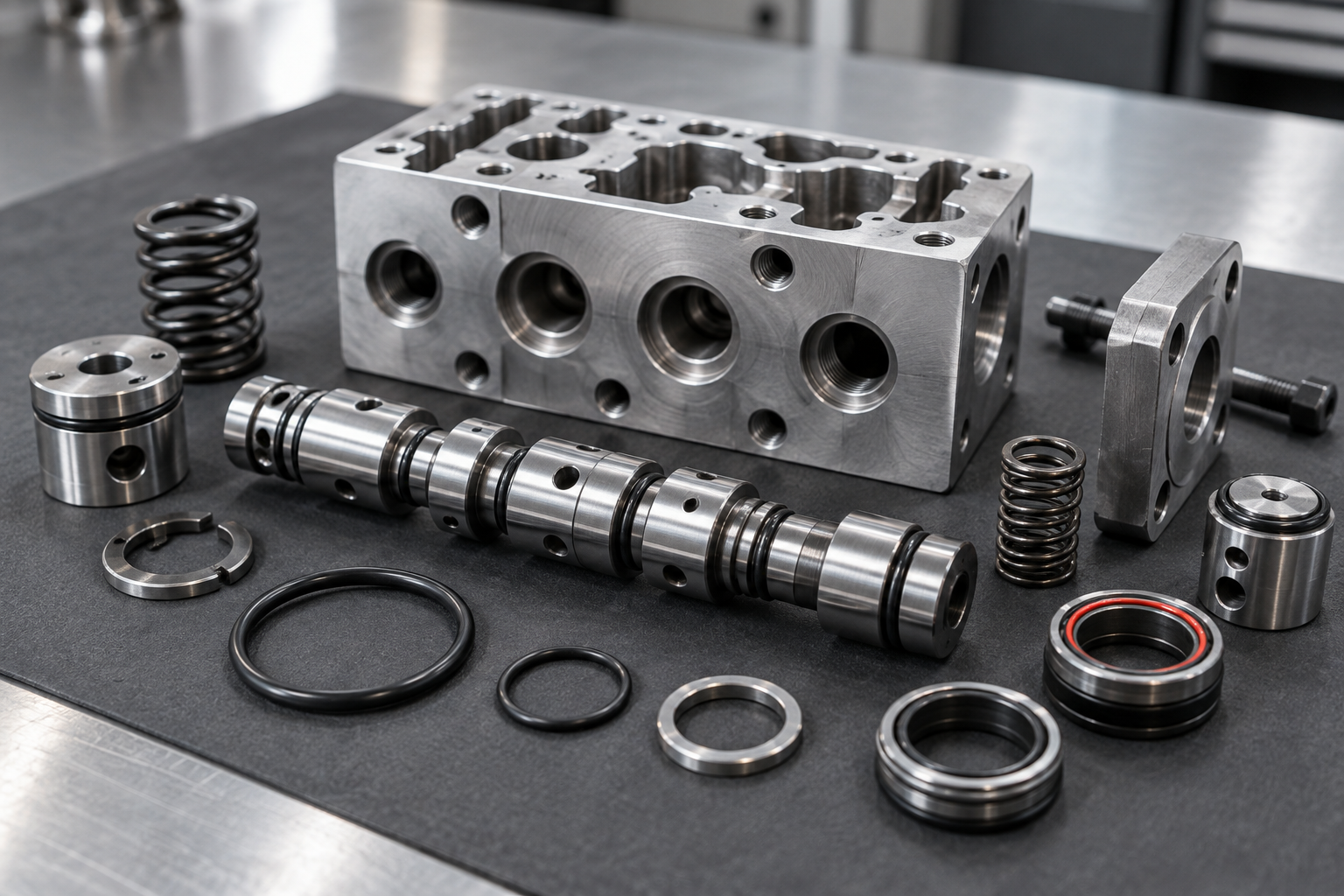
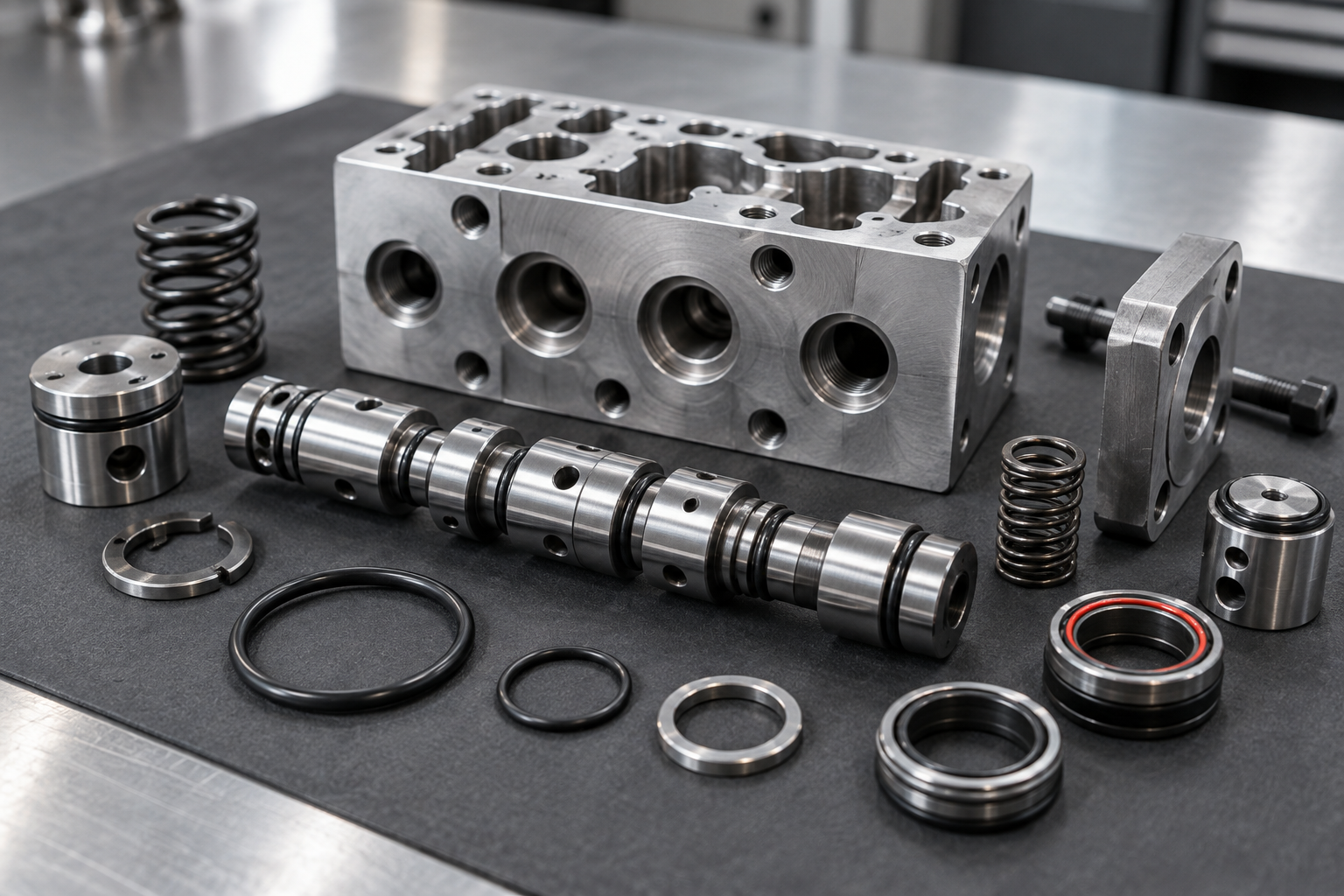
Cover image: AI-generated editorial illustration, not a model-specific product drawing or a photograph of a JIUDING facility.