An intermittent response is difficult to diagnose if every test changes several variables. Capture the command, electrical output and hydraulic result together to find where the chain stops matching expectations.
Start with a synchronized event record
Record when the fault happens, the command value, machine state and any driver alarm. Note supply voltage, fluid temperature and load. A trend around the failure is more informative than a single reading after normal operation resumes.
Separate the control stages
A controller command is not necessarily the current delivered to the coil, and coil current is not proof of the resulting flow. Qualified personnel should test the relevant interfaces using the approved procedure. Check connectors, grounding and configuration alongside the hydraulic conditions.
Avoid uncontrolled tuning
Changing gain, dither, ramps and pressure settings together destroys useful evidence and may destabilize motion. Preserve the original parameter set and change only through an approved commissioning plan. Request supplier support with the valve, driver and software configuration identified.
Practical checklist
- Record command, output and response on the same timeline.
- Save the original electronic parameter set.
- Identify fault conditions before making controlled adjustments.
Discuss your application
Explore related hydraulic products, or send JIUDING your model code and application details. Include the circuit drawing and the operating conditions relevant to the checks above so the required configuration can be reviewed.
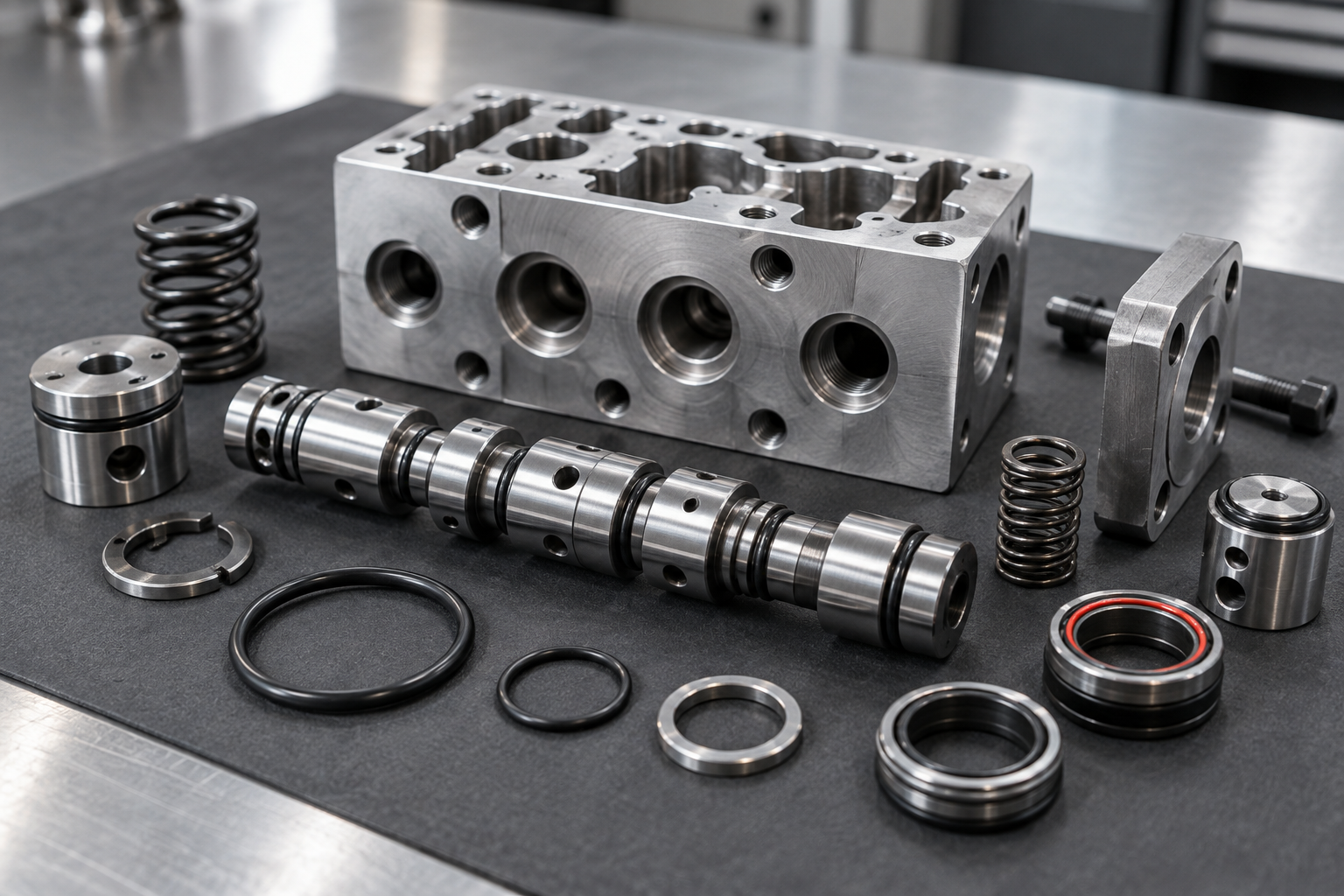
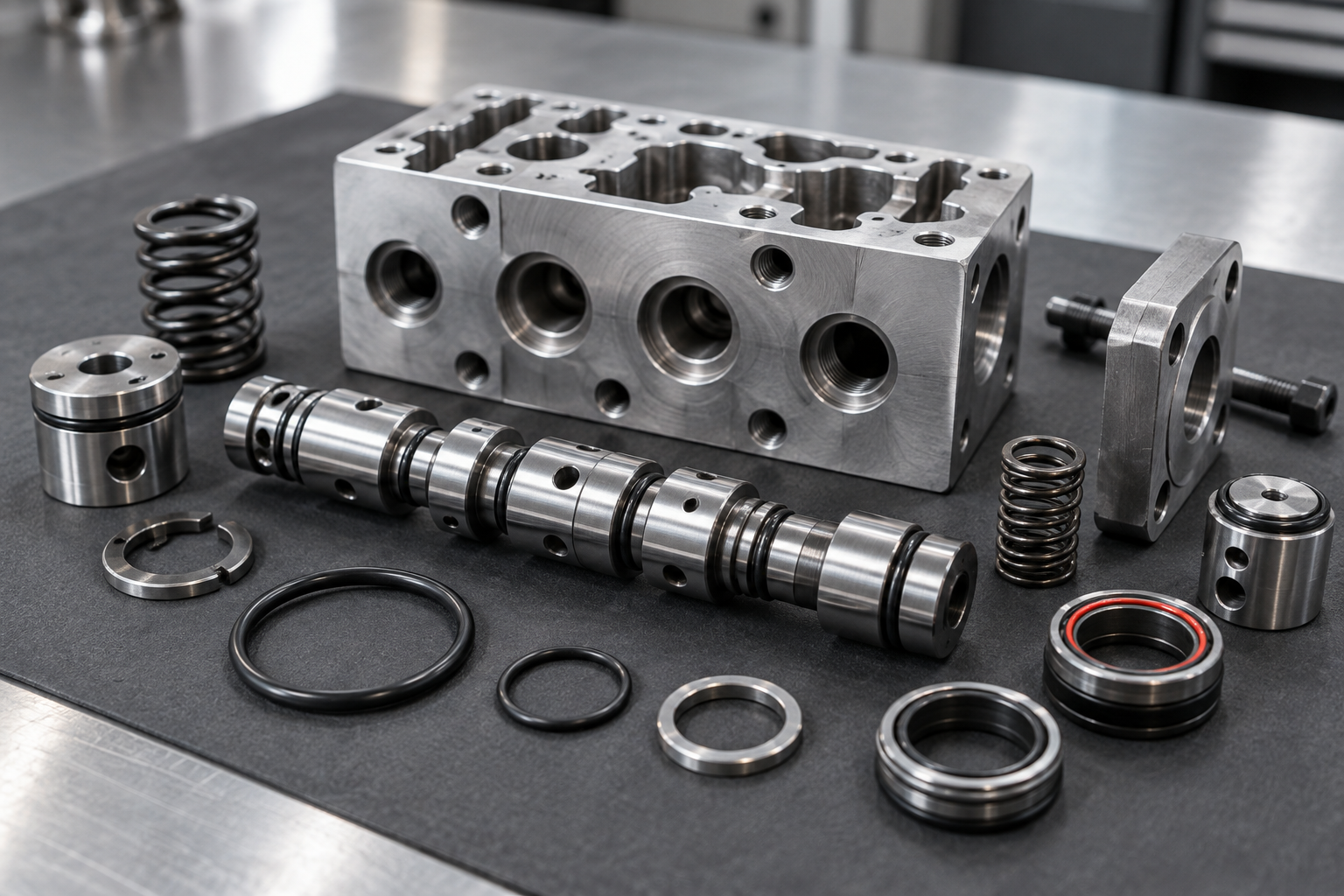
Cover image: AI-generated editorial illustration, not a model-specific product drawing or a photograph of a JIUDING facility.