A sample is most useful when the buyer and supplier agree beforehand on what it must demonstrate. Visual inspection alone cannot establish that a valve will perform correctly in the intended circuit.
Freeze the sample configuration
Record the model code, drawing revision, coil, seals and any settings. Identify which requirements are verified by documents and which require testing. Avoid evaluating an unspecified sample and then assuming later production will match an unstated configuration.
Define representative tests
Depending on the application, checks may include fit, function, leakage, pressure drop or switching behavior. Set conditions and acceptance limits with qualified engineering input. A successful unloaded movement does not validate maximum-load performance or long-term durability.
Record the approval boundary
Document results, deviations and any remaining qualification work. State whether approval covers the sample only or an agreed production specification. Retain traceable records and define how future changes will be communicated before placing a repeat order.
Practical checklist
- Identify the sample configuration and revision.
- Agree on measurable tests and operating conditions.
- Document deviations and the scope of approval.
Discuss your application
Explore related hydraulic products, or send JIUDING your model code and application details. Include the circuit drawing and the operating conditions relevant to the checks above so the required configuration can be reviewed.
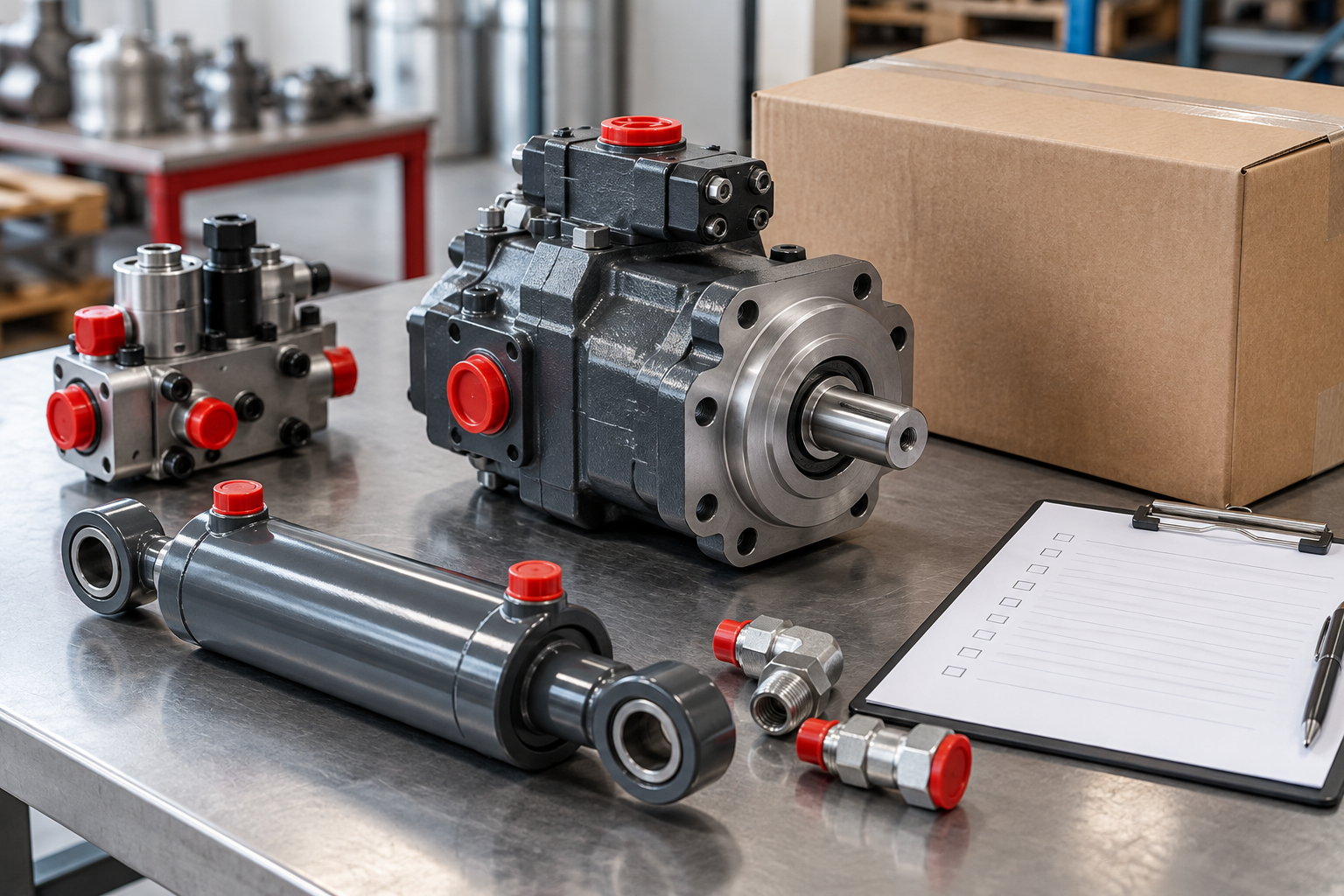
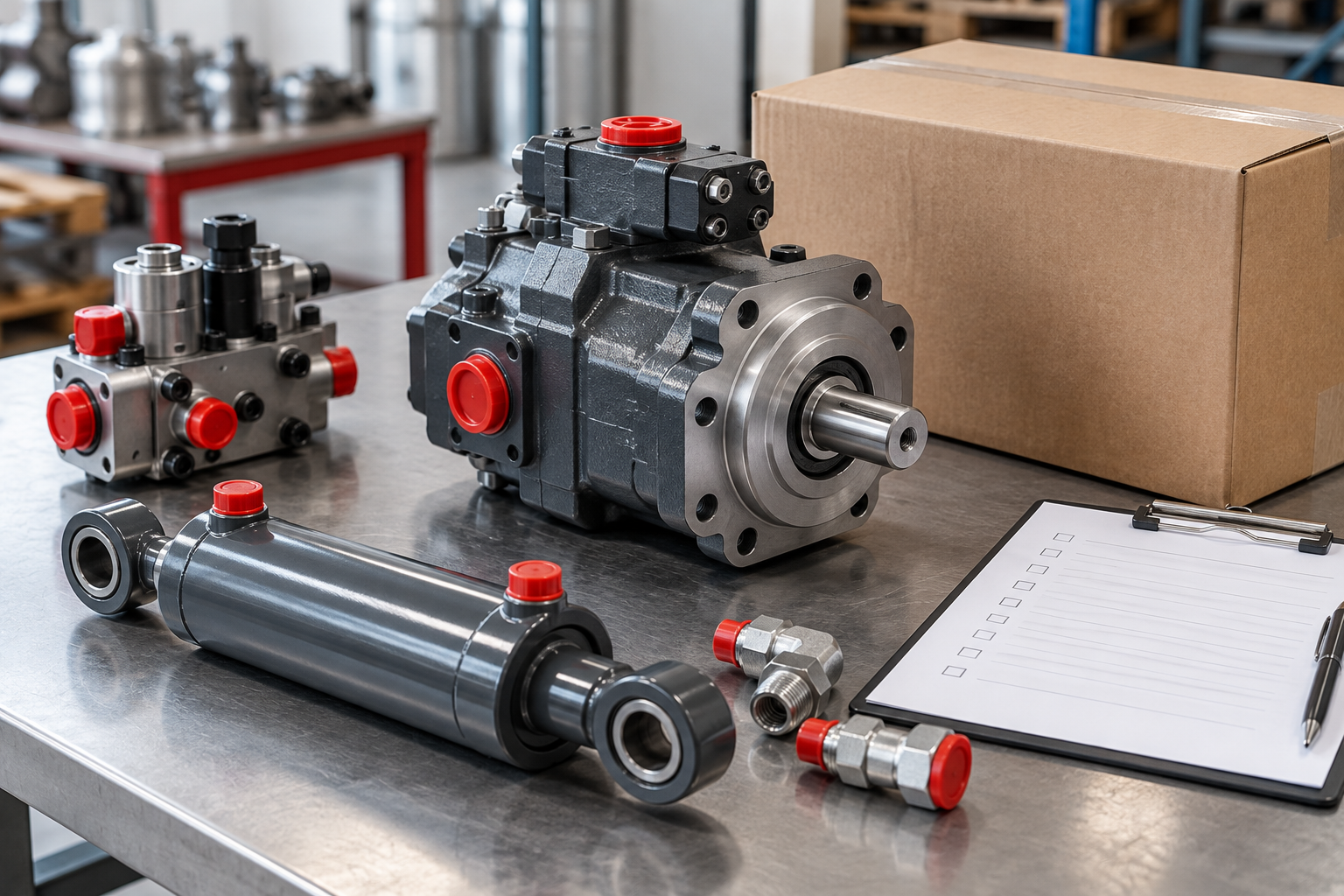
Cover image: AI-generated editorial illustration, not a model-specific product drawing or a photograph of a JIUDING facility.