A fixed-displacement pump delivers a largely speed-dependent geometric volume, while a variable-displacement design can change that volume. The useful comparison is how each serves the machine's duty cycle.
Look at demand over time
A machine with steady flow demand may be well served by a simple fixed-displacement arrangement. A machine spending long periods at reduced demand may benefit from a different control strategy. Record working, idle and simultaneous-function periods before comparing hardware.
Include the supporting circuit
A fixed pump may need unloading or bypass arrangements when delivery is not used. A variable pump needs the correct controls and compatible downstream circuit. Energy consumption depends on the complete system, not only the pump category.
Compare lifecycle requirements
Evaluate purchase cost, drive size, cooling, control complexity, service capability and replacement availability. A variable pump is not a drop-in efficiency upgrade for every fixed-pump circuit. Any change should include a review of pressure protection, start-up and control interactions.
Practical checklist
- Create a flow-and-pressure duty profile.
- Include idle losses and cooling in the comparison.
- Review circuit compatibility before changing pump type.
Discuss your application
Explore related hydraulic products, or send JIUDING your model code and application details. Include the circuit drawing and the operating conditions relevant to the checks above so the required configuration can be reviewed.
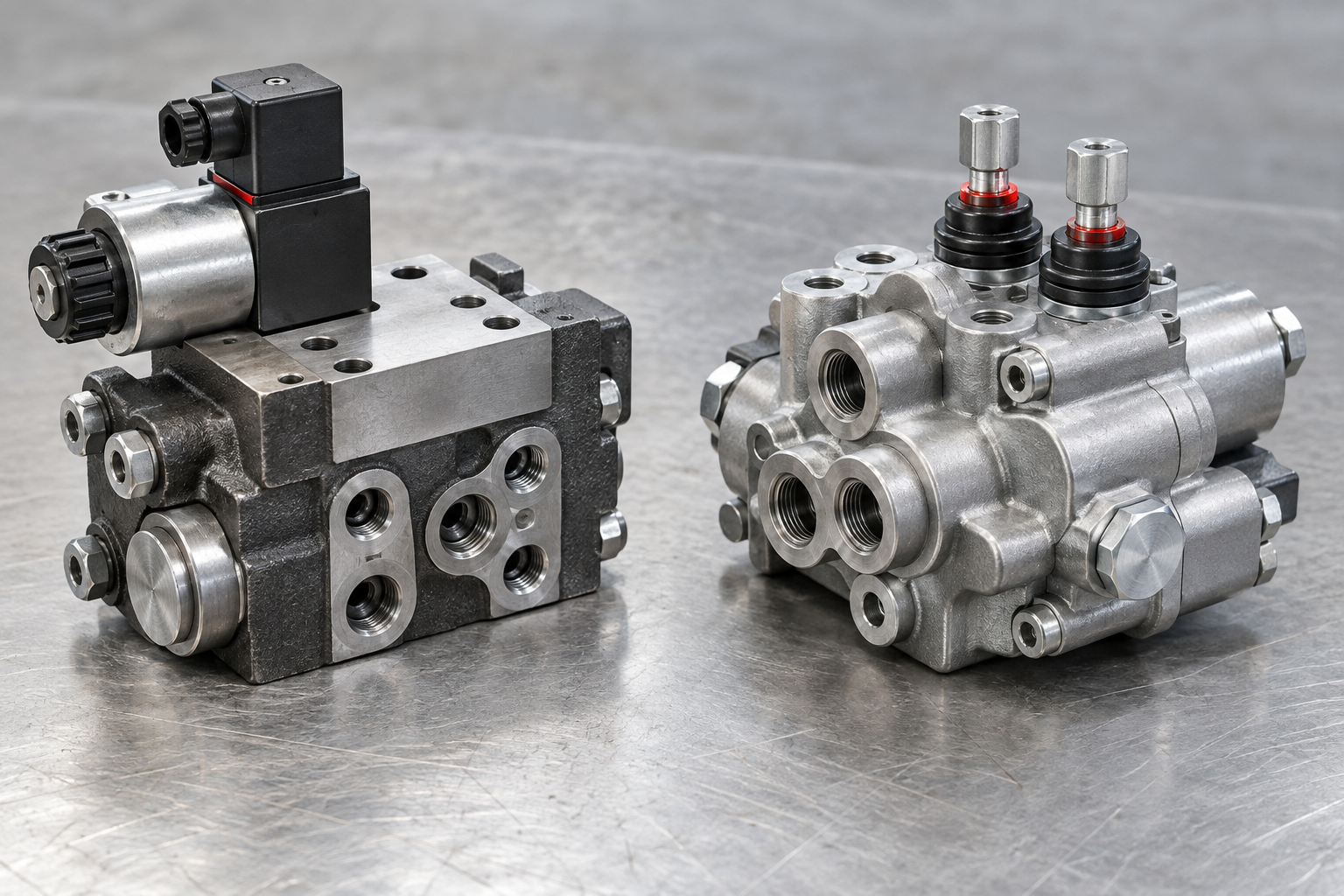
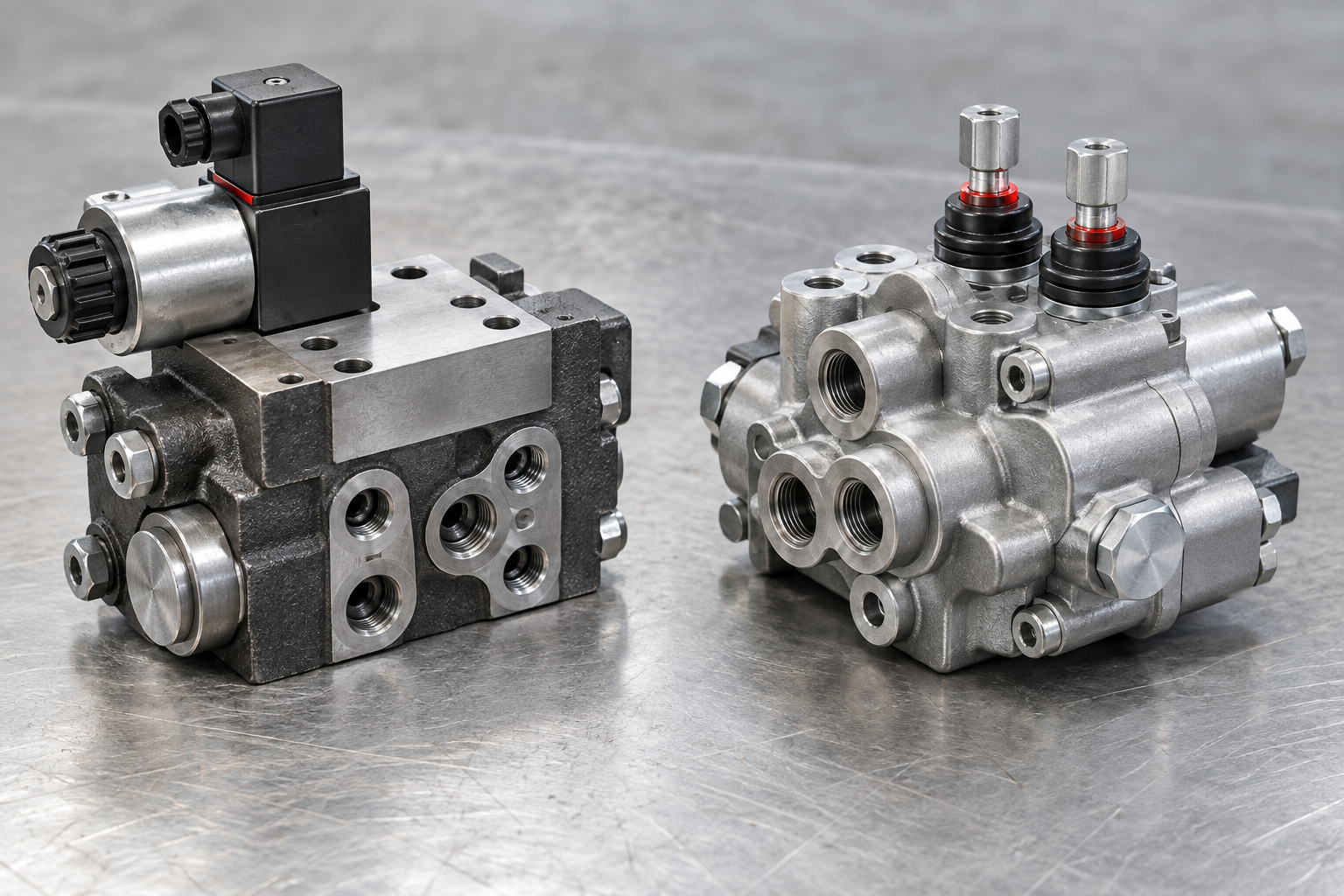
Cover image: AI-generated editorial illustration, not a model-specific product drawing or a photograph of a JIUDING facility.