A clear problem report helps a supplier distinguish a component issue from an installation or circuit issue. It also reduces repeated questions when production is waiting for a decision.
Describe expected and actual behavior
State what the machine should do, what it does instead and when the problem first appeared. Include whether the issue is constant or intermittent. Avoid concluding that a part is defective before the operating evidence is reviewed.
Attach a compact evidence set
Provide the full model code, circuit diagram, installation photographs and relevant measurements with units. Include fluid condition, temperature, pressure and flow where known. Keep damaged parts and service records available for an agreed investigation.
Ask for a defined next step
Request the appropriate diagnostic review, return inspection or replacement assessment. Confirm what work can be performed safely and by whom. Do not dismantle a component further if doing so would destroy evidence or conflict with the agreed service process.
Practical checklist
- Compare expected and actual behavior in a specific machine state.
- Attach identity, circuit and measured-condition evidence.
- Agree on the next diagnostic or return action before proceeding.
Discuss your application
Explore related hydraulic products, or send JIUDING your model code and application details. Include the circuit drawing and the operating conditions relevant to the checks above so the required configuration can be reviewed.
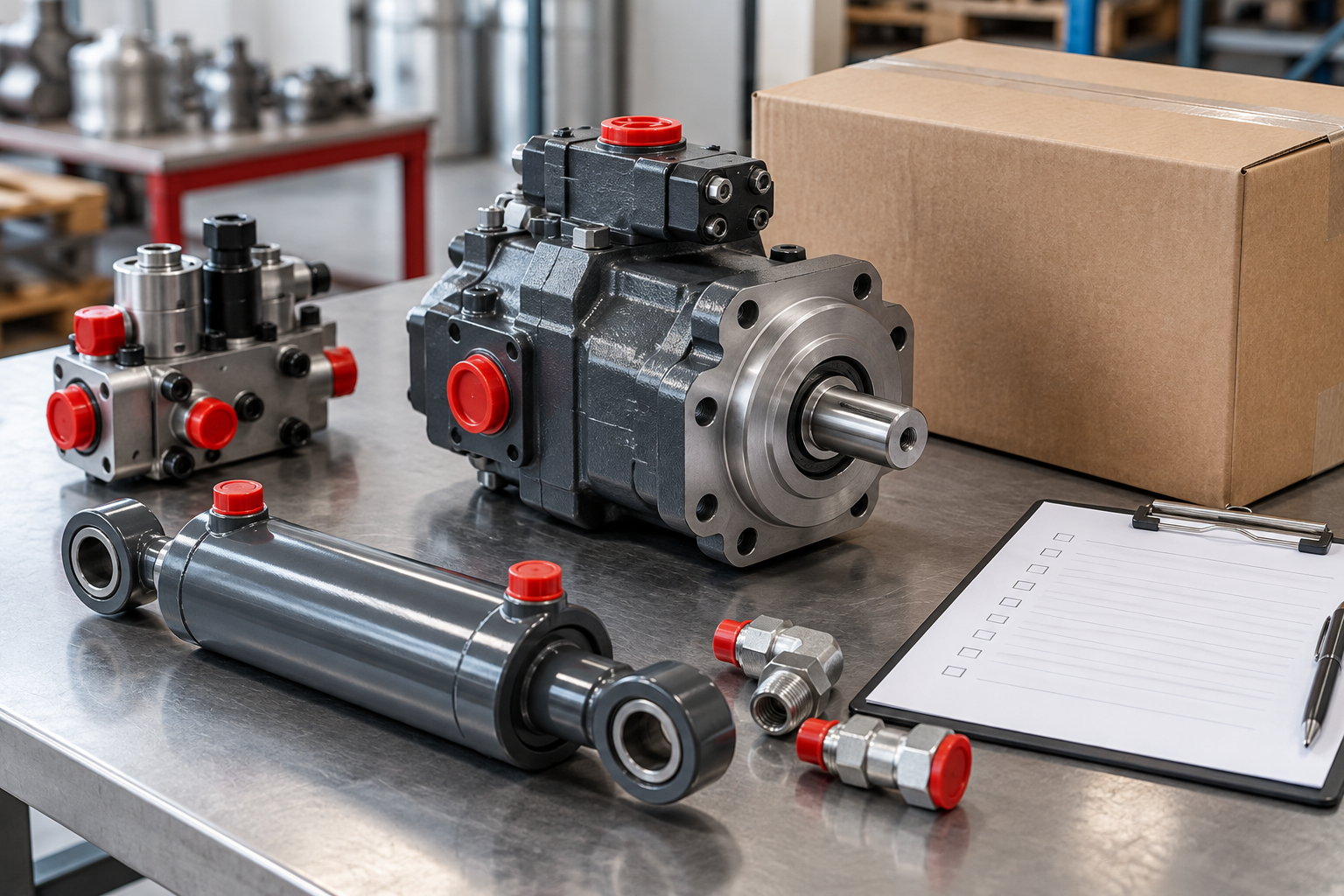
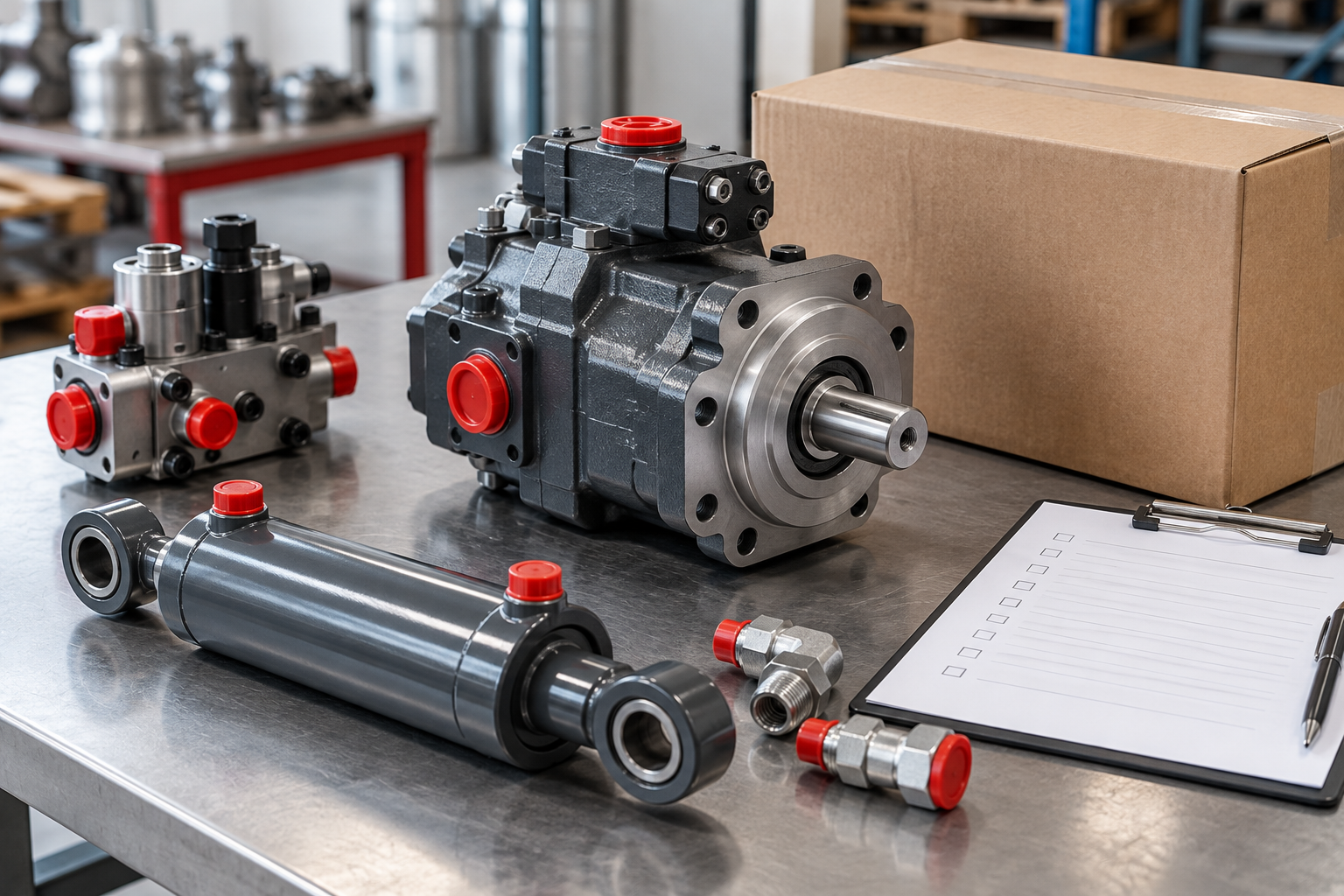
Cover image: AI-generated editorial illustration, not a model-specific product drawing or a photograph of a JIUDING facility.