A low-pressure branch can need more than reduced supply pressure. If the branch pressure rises because of an external force, a relieving path may be required as well.
Understand the basic reducing path
A two-way reducing function regulates flow from supply into the branch to maintain downstream pressure within its characteristics. Closing the supply does not necessarily release pressure already trapped downstream.
Identify the additional relief path
A three-way reducing-relieving function can connect the controlled branch toward a return path when downstream pressure exceeds its regulating behavior. The capacity and response of that path must be checked. It is not automatically suitable as the only protection for every hazard.
Evaluate the application details
External loads, thermal expansion, return backpressure and reverse actuator flow influence the choice. Confirm the exact symbol and drain arrangement because naming conventions differ. Specify both normal reducing flow and any required downstream relieving flow.
Practical checklist
- Identify whether the branch can generate its own pressure.
- Specify reducing and relieving capacities separately.
- Check return pressure and reverse-flow requirements.
Discuss your application
Explore related hydraulic products, or send JIUDING your model code and application details. Include the circuit drawing and the operating conditions relevant to the checks above so the required configuration can be reviewed.
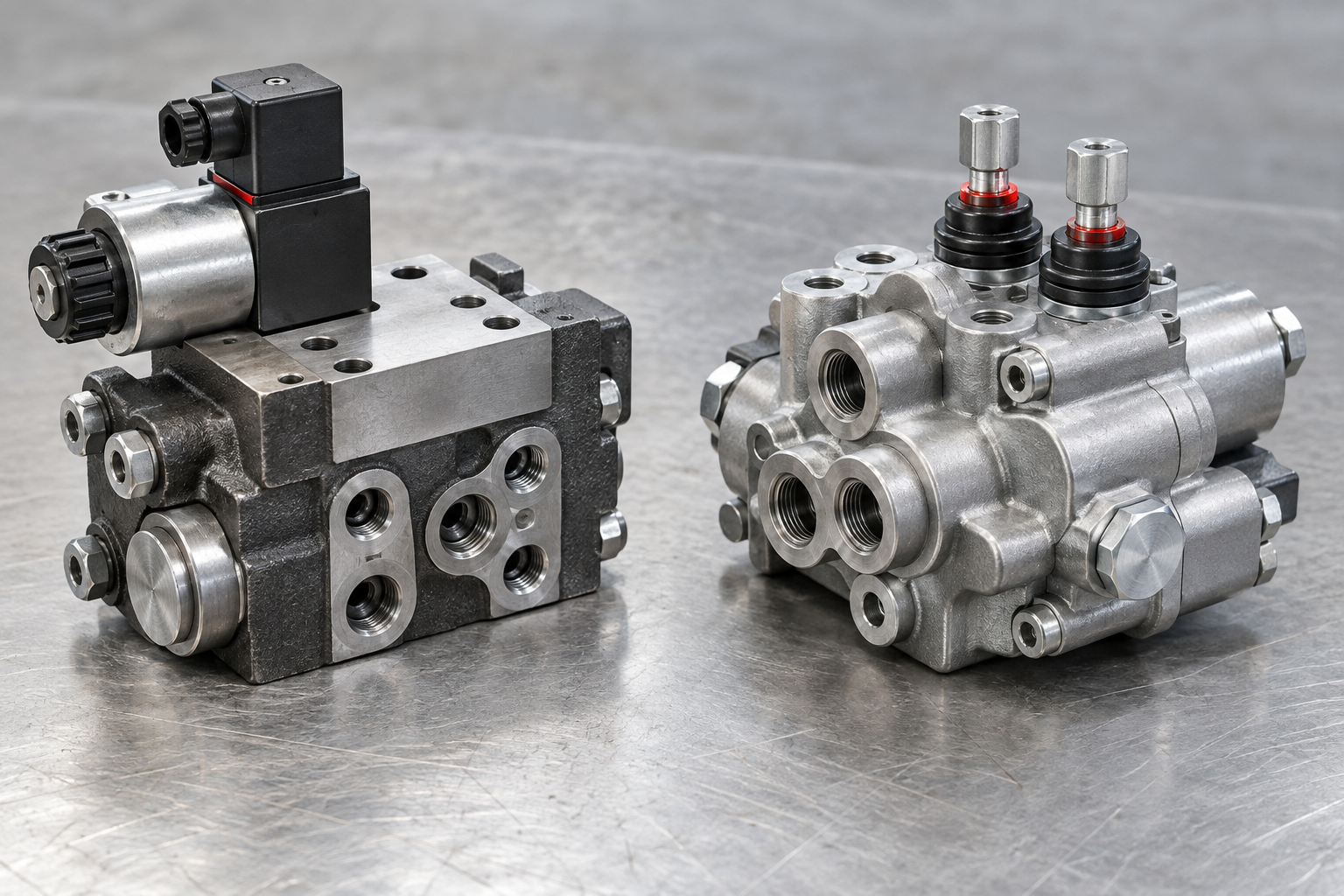
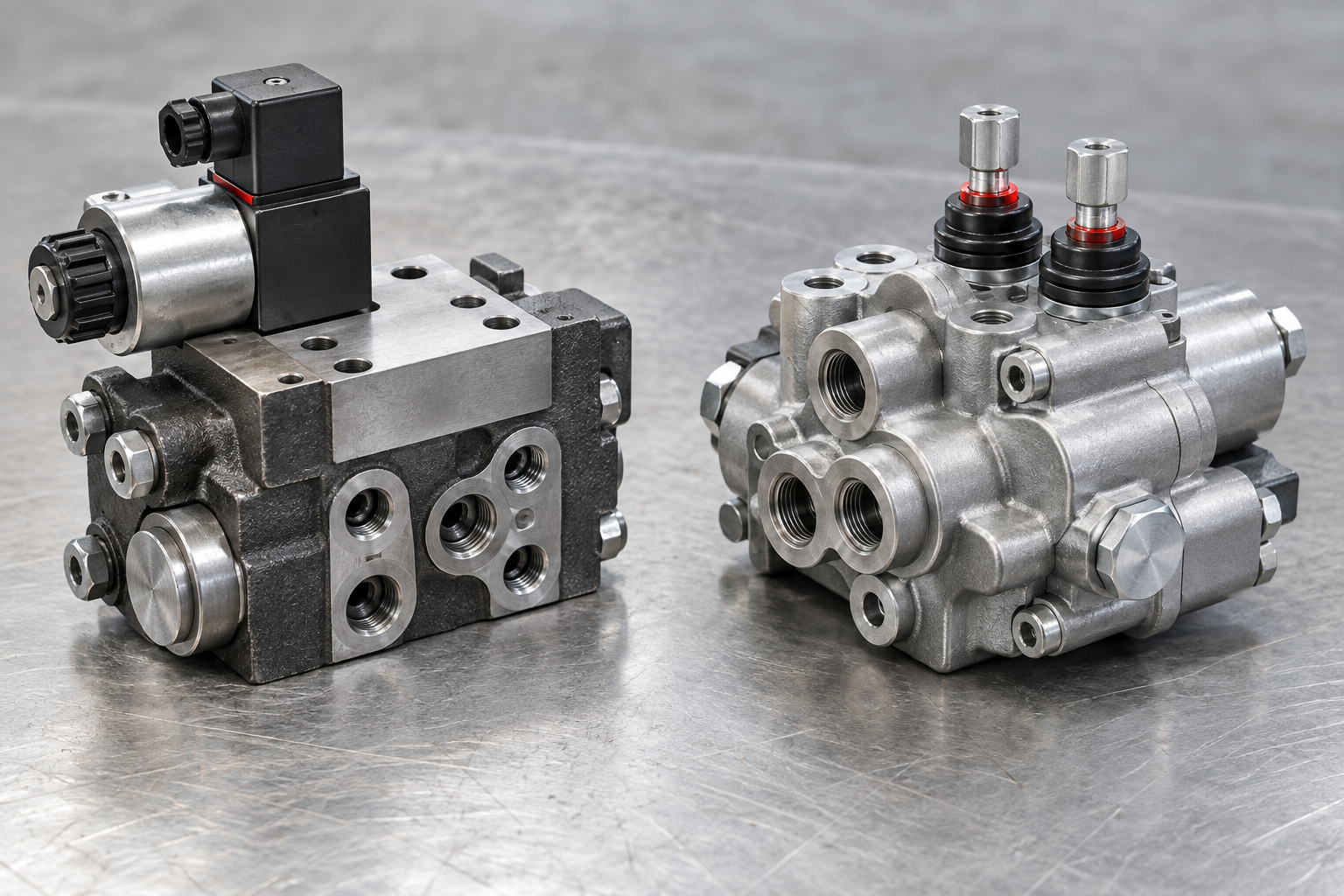
Cover image: AI-generated editorial illustration, not a model-specific product drawing or a photograph of a JIUDING facility.